Project Overview
The Farmers and Herders Intervention Project represents CCAPAD's comprehensive approach to addressing one of Nigeria's most persistent conflicts through dialogue, early warning systems, and community-based solutions.
Project Background
The farmer-herder conflict has been one of the most challenging issues facing Nigeria's agricultural communities. Competition over land and water resources, coupled with climate change impacts, has led to increased tensions and violence between farming and pastoral communities.
CCAPAD's intervention was designed to address these conflicts through a multi-faceted approach that includes dialogue facilitation, early warning systems, and sustainable resource management strategies.
Key Activities Implemented
Activity 1: Project Design and Start-up
During the initial phase, CCAPAD held strategic meetings with key project staff to clearly define roles and responsibilities. The team engaged with selected partners and local stakeholders to ensure community input in planning and long-term ownership of the project by benefiting communities.
Activity 2: Production of IEC Materials (Media Component)
A comprehensive range of Information, Education and Communication (IEC) materials were produced and distributed, including:
- T-shirts and caps with peace messages
- Flyers and posters promoting dialogue
- Stickers with conflict resolution information
Media Component: CCAPAD created platforms for communities, especially women, youth, girls, boys, and men to constructively engage with key security and government agencies through the project intervention. Monthly radio jingles and TV/radio discussion programs were aired on local media stations in Jos, creating awareness and enhancing project visibility.
Activity 3: Review and Validation of Baseline Study
Comprehensive baseline studies were conducted and validated to establish clear metrics for measuring project impact and success. This included mapping conflict hotspots, identifying key stakeholders, and documenting existing peace mechanisms.
Project Impact and Outcomes
The project successfully established sustainable dialogue mechanisms between farming and pastoral communities, leading to significant reductions in violent conflicts and improved cooperation in resource management.
Key Achievements
- Established functional early warning systems in target communities
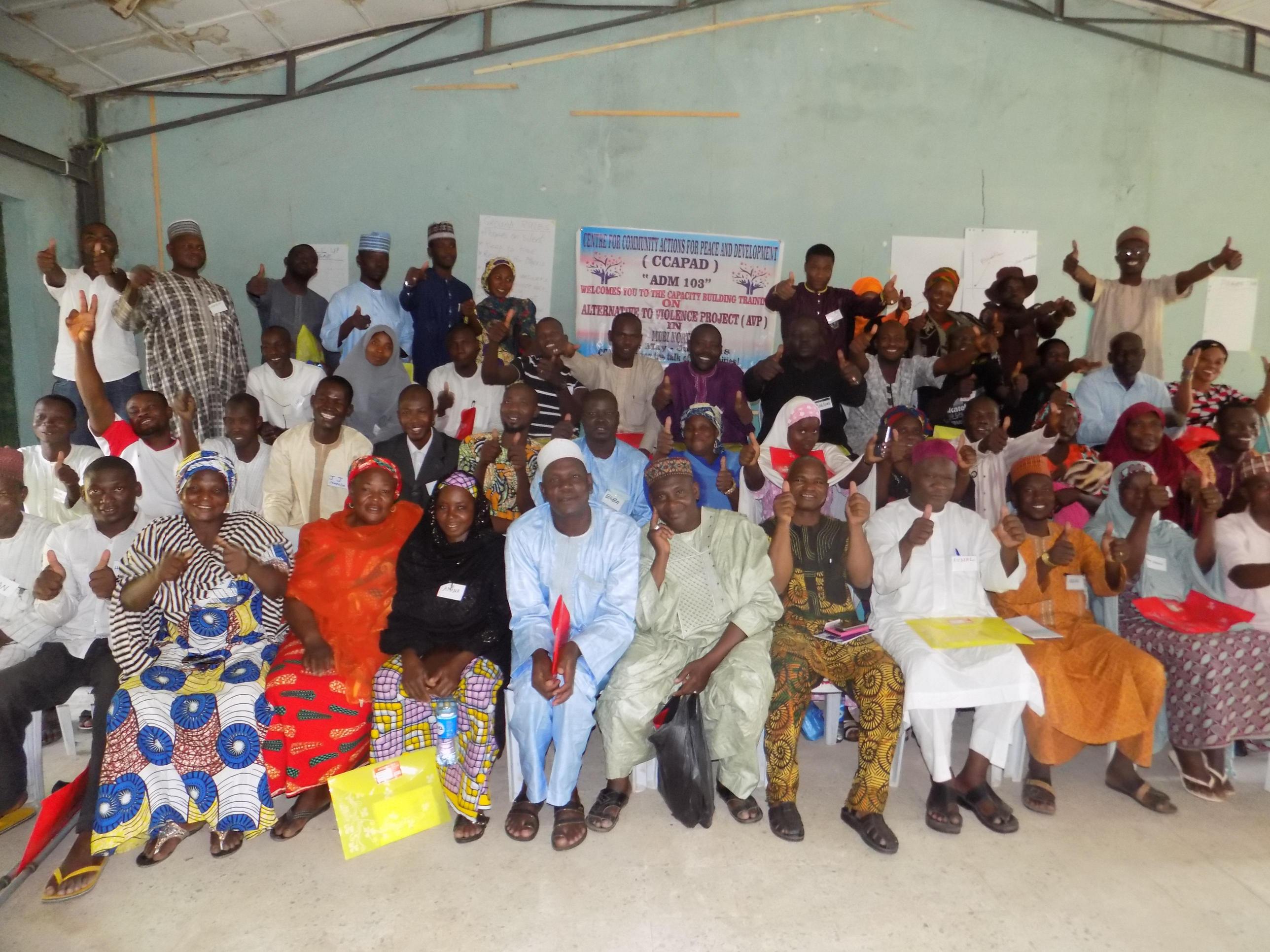
- Trained community peace ambassadors from both farming and pastoral communities
- Facilitated the signing of multiple peace agreements
- Created sustainable resource-sharing mechanisms
- Strengthened relationships between communities and security agencies
- Enhanced media coverage and public awareness of peaceful coexistence
Lessons Learned
The project demonstrated the critical importance of inclusive dialogue that involves all stakeholders, including women and youth. The success of the intervention was largely attributed to the bottom-up approach that ensured community ownership and the integration of traditional conflict resolution mechanisms with modern peacebuilding techniques.
The media component proved particularly effective in changing narratives and promoting positive stories of cooperation between farmers and herders, contributing to broader social cohesion.
Sustainability and Future Directions
The project established sustainable structures that continue to function beyond the project period. Community-owned peace committees and early warning systems remain active, and the trained peace ambassadors continue to facilitate dialogue and prevent conflicts.
CCAPAD continues to support these communities through follow-up activities and has replicated successful strategies in other conflict-affected areas across Nigeria.